
Load on a Delivery Van and Brake-System Wear - What to Watch For
Heavier loads increase the energy that must be dissipated during braking - this accelerates wear of discs and pads and raises the risk of overheating. Below you will find specific symptoms, interpretation and practical recommendations for the fleet.
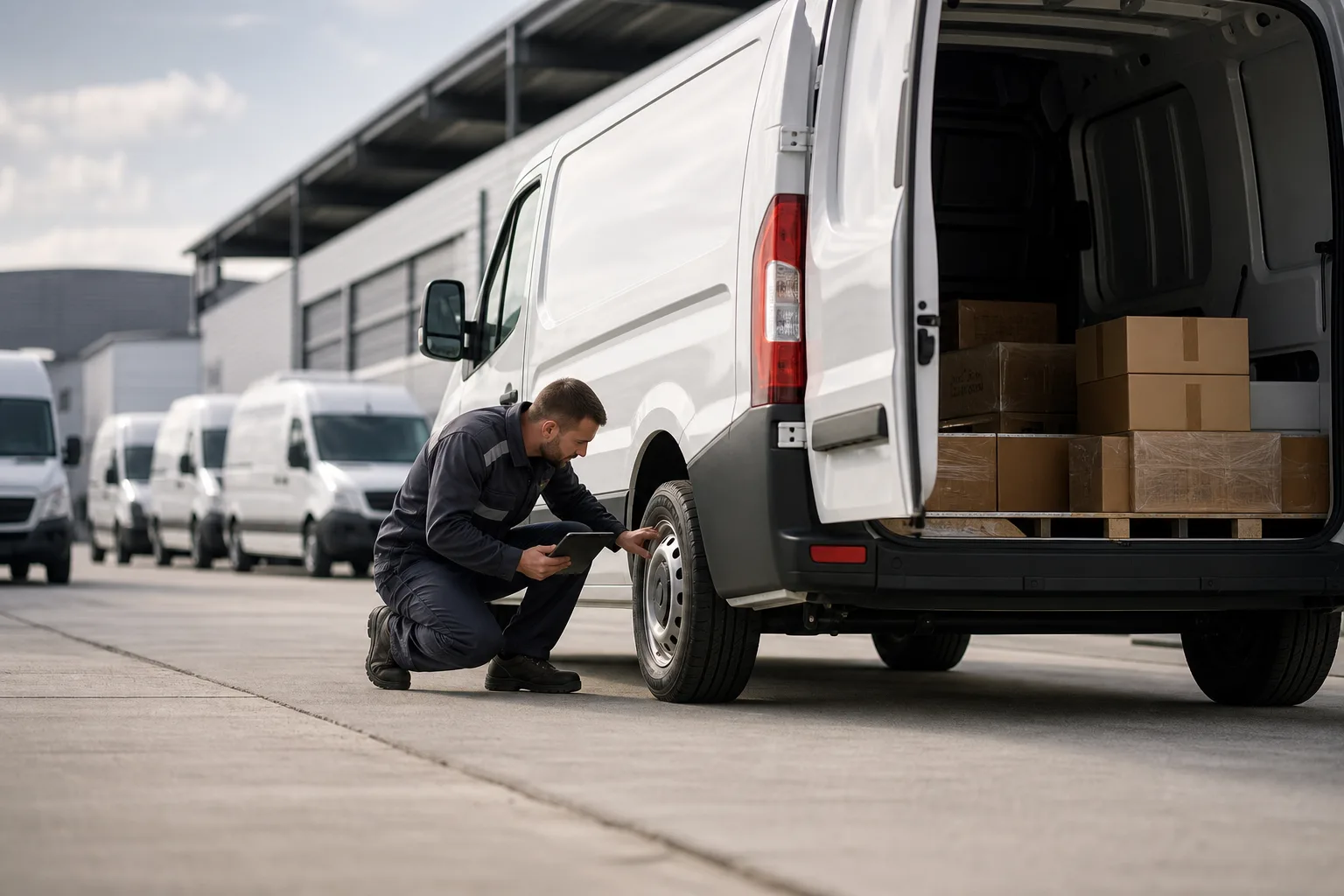
Brief mechanics - why load makes a difference
Greater load increases the vehicle mass, and therefore the kinetic energy that must be dissipated during braking. This directly leads to higher temperatures of discs and pads and faster wear of their surfaces.
Repeated, heavy braking under high load increases the risk of overheating brake components and the formation of local hot‑spots and thermal cracks on the discs. This effect is amplified by incorrect load distribution and by not using engine braking.
- Higher kinetic energy → higher brake temperatures
- Frequent heavy braking → accelerated wear and thermal damage
- Uneven load distribution → asymmetric axle and brake wear
Symptoms reported by drivers - what immediately draws attention
Longer stopping distances and the need to press the pedal harder - these are usually the first symptoms, especially when they appear alongside increased load.
A soft or ‘spongy’ brake pedal that requires progressively more pedal travel before braking force is achieved may indicate overheating of the system or a problem with the brake fluid.
Pedal pulsation and steering-wheel vibrations during braking are symptoms that usually indicate an uneven disc surface (thickness variation) or transfer of material from the pad - the effect is stronger under load.
Noises - squealing, scraping or metallic grinding. High‑pitched squeal often signals worn pads or contaminated/glazed friction material. A metallic sound can indicate metal‑on‑metal contact and requires immediate inspection.
- Extended stopping distance
- Soft pedal / increased pedal travel
- Pedal pulsation / vibrations
- Squealing or metallic noises
External signs of overheating and when to stop the vehicle
The smell of burning or visible smoke from around the wheels are alarm symptoms - you should immediately stop the vehicle safely and check the brakes before continuing.
Visible discoloration of a disc (e.g. reddening, bluing) or surface cracks indicate thermal overload; in such cases the discs usually require replacement.
Loss of braking effectiveness after a series of hard stops can result from brake fade and boiling of the brake fluid. Monitoring fluid condition and boiling point is therefore an element of prevention.
- Stop immediately if there is smoke or a strong burning smell
- Discoloration and cracks → replace the disc rather than straightening
- Soft pedal after prolonged braking → check the brake fluid
Inspections and monitoring - what to check in the workshop and at rest
Keep a log of driver reports: note symptom descriptions, conditions (load, route) and frequency of occurrence. This helps identify vehicles with excessive wear.
After a stop (especially following an intensive braking cycle) a measurable rise in hub/disc temperature indicates excessive heating. Regular temperature records are useful for assessing wear trends.
In the workshop check pad thickness, disc surface condition (grooving, hot‑spots, cracks), play in guides and the condition of hoses/lines, and the level and quality of brake fluid.
- Driver-report log as a primary source of alerts
- Monitor wheel temperatures after operation
- Regular checks of pad thickness and disc surface condition
Operational measures that will reduce wear
Ensure correct load distribution and securement - uneven mass layout causes asymmetric and accelerated brake wear.
Introduce procedures for using engine braking on long descents and provide driver training on braking technique (e.g. avoiding sudden, repeated heavy braking). This will reduce the number of extreme thermal cycles.
Increase the inspection frequency for vehicles normally operated under heavy load - earlier detection helps avoid costly repairs and the risk of on‑road failure.
- Standardise load placement
- Driver training: braking technique and use of engine braking
- More frequent inspections for heavily used vehicles
Choice of parts and service decisions
For vehicles regularly operated with heavy loads, consider parts with higher thermal resistance - dedicated pads, ventilated discs or components designed for heavier duty. Consult selection with the manufacturer or a trusted service provider.
When thermal cracks, deep grooving or severe surface wear are visible, it is better to replace the part than attempt straightening - a repair may not restore the thermal properties.
Maintaining proper brake‑fluid condition (timely replacement, checking boiling point) is a simple but key way to reduce the risk of fade and improve the overall safety of the fleet.
- Consider components with increased thermal resistance
- Replace discs with thermal cracks instead of straightening
- Regular replacement and checking of brake fluid
Summary
Load directly affects the lifespan and safety of the braking system. Systematic collection of driver reports, temperature monitoring and more frequent inspections for heavily worked vehicles allow early detection of issues and limit costs. With alarm symptoms - smoke, burning smell, significant loss of braking performance - stop the vehicle and withdraw it for inspection. Consult component selection and service intervals with a professional workshop rather than relying on standard parts intended for light duty.
More from the FleetPoint knowledge base
Coolant in vans before winter: planning a check of frost protection
Find out which vans need a pre-frost coolant check, how to interpret the test result and plan visits without unnecessary downtime.
Read article
Lighting checks for a delivery fleet: how to plan inspections and repairs without unnecessary downtime
How to check company van lights, record faults and schedule measurements and repairs without taking several vehicles off the road at once.
Read article
Diesel van will not start after an overnight frost: when to book fuel system diagnostics
Find out what symptoms to report, when to hold a van back from a trip and what the workshop should check in the fuel system.
Read article